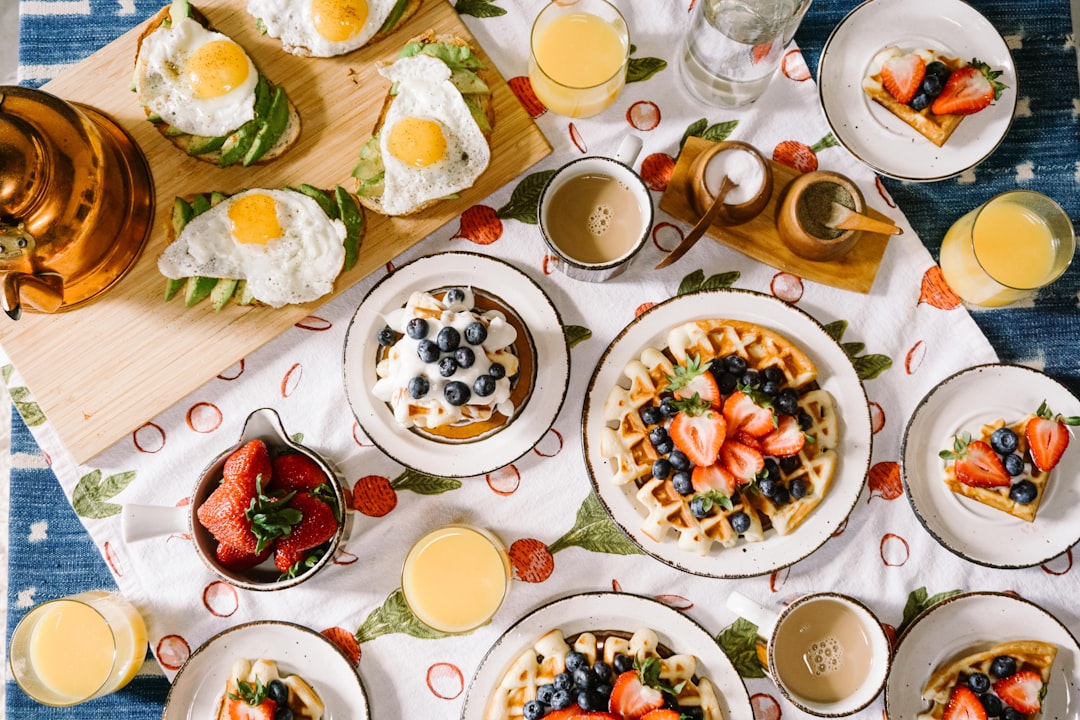
This 7-day high-protein meal plan gives you a flexible framework for weight loss, including practical portions, protein targets, batch-prep instructions, substitutions, and a reusable grocery list. Adjust the servings to your appetite, activity level, food preferences, and health needs rather than treating the plan as a rigid prescription.
Overview
A sustainable weight loss meal plan usually works best when it creates a modest, manageable reduction in energy intake while providing enough protein, fiber, and satisfying foods. Protein can help meals feel more filling and supports the maintenance of muscle during weight loss, especially when combined with resistance training. It is only one part of a healthy diet plan, however; vegetables, fruit, whole grains, healthy fats, hydration, sleep, and flexibility also matter.
Use this plan as a starting template for one adult. Most main meals provide roughly 25 to 40 grams of protein, depending on the product and portion selected. If you already track your protein needs, distribute your daily target across three meals and, if useful, one snack. A general starting range for active adults may be around 1.2 to 1.6 grams of protein per kilogram of body weight per day, but individual needs vary. For a more tailored approach, review our protein intake guide.
Portions are written in practical terms: a palm-sized serving of cooked meat or fish, a cup of Greek yogurt, one scoop of protein powder, or half to one cup of cooked grains. Weighing food can improve consistency, but it is not required. Start with the suggested portions, then adjust based on hunger, progress, and energy.
Checklist by scenario
Day 1
- Breakfast: Greek yogurt bowl with one cup plain Greek yogurt, berries, two tablespoons oats, and one tablespoon chopped nuts.
- Lunch: Chicken grain bowl with a palm-sized portion of cooked chicken, one-half to one cup cooked quinoa or brown rice, two cups vegetables, and a spoonful of yogurt-based dressing.
- Dinner: Baked salmon, roasted vegetables, and a small to medium potato.
- Snack, if needed: Cottage cheese with fruit.
Day 2
- Breakfast: Two eggs with egg whites, sautéed spinach, and one slice of whole-grain toast.
- Lunch: Turkey and bean chili served with a side salad. Use lean ground turkey, beans, tomatoes, onions, and peppers.
- Dinner: Tofu stir-fry with mixed vegetables and one-half to one cup cooked brown rice. Add edamame if you need more protein.
- Snack, if needed: A protein shake made with milk or an unsweetened fortified plant beverage.
Day 3
- Breakfast: Overnight oats made with oats, Greek yogurt, milk, chia seeds, and berries.
- Lunch: Leftover turkey and bean chili with vegetables.
- Dinner: Lean beef, turkey, or lentil meatballs with marinara, roasted zucchini, and a modest serving of whole-wheat pasta.
- Snack, if needed: Edamame or a boiled egg with a piece of fruit.
Day 4
- Breakfast: Smoothie with protein powder, milk or fortified plant beverage, frozen berries, spinach, and one tablespoon nut butter.
- Lunch: Tuna, salmon, or chickpea salad in a whole-grain wrap with lettuce, tomato, and cucumber.
- Dinner: Chicken fajita plate with cooked chicken, peppers, onions, salsa, avocado, and one or two small corn tortillas.
- Snack, if needed: Plain yogurt with cinnamon.
Day 5
- Breakfast: Cottage cheese with sliced fruit, cinnamon, and a small serving of whole-grain cereal or oats.
- Lunch: Leftover chicken fajita filling over salad greens or a small serving of rice.
- Dinner: Lentil curry with tofu or Greek yogurt on the side, served with vegetables and a controlled portion of rice.
- Snack, if needed: Carrots or peppers with hummus.
Day 6
- Breakfast: Vegetable omelet made with eggs and egg whites, plus fruit.
- Lunch: High-protein leftovers or a simple bowl of chicken, beans, vegetables, and salsa.
- Dinner: Shrimp, chicken, tempeh, or tofu with roasted vegetables and a small serving of potatoes or quinoa.
- Snack, if needed: A protein shake, cottage cheese, or edamame.
Day 7
- Breakfast: Greek yogurt, fruit, oats, and nuts, or repeat the breakfast you found most satisfying.
- Lunch: A large salad with a palm-sized portion of chicken, salmon, tuna, tofu, beans, or lentils; include a whole-grain side if hungry.
- Dinner: Flexible meal: choose a lean protein, at least two kinds of vegetables, and one moderate serving of a carbohydrate such as rice, potatoes, pasta, or tortillas.
- Snack, if needed: Fruit with a small portion of nuts or yogurt.
Portion adjustments for different calorie needs
For a smaller appetite or lower energy requirement, keep the protein portion steady and reduce the grain, pasta, potato, oil, nuts, or avocado portion slightly. For greater energy needs, add a serving of carbohydrate, another piece of fruit, or an additional protein-rich snack. Avoid cutting portions so aggressively that you feel persistently hungry, fatigued, distracted, or preoccupied with food.
Vegetarians can replace poultry and fish with tofu, tempeh, seitan, eggs, dairy, edamame, beans, or lentils. Vegans can combine tofu, tempeh, seitan, soy yogurt, beans, lentils, and a suitable protein powder. If you have kidney disease, are pregnant, have a history of an eating disorder, or have another condition affected by diet, seek individualized advice from a qualified clinician or dietitian before using a higher-protein plan.
What to double-check
- Protein distribution: Check that most meals contain a clear protein source instead of trying to consume nearly all your protein at dinner.
- Fiber and produce: Add vegetables or fruit to each meal when possible. Beans, lentils, oats, whole grains, and seeds can contribute fiber too.
- Serving labels: Compare nutrition labels for yogurt, protein powder, canned fish, deli meat, sauces, and frozen meals. Products can differ substantially in protein, sodium, and added sugar.
- Cooking fats: Measure oils, dressings, nut butters, and creamy sauces if weight loss has stalled. These foods can fit in a healthy meal plan, but small amounts are energy-dense.
- Hunger and performance: Review your energy, sleep, mood, digestion, and workout performance. These signals help determine whether the plan is practical for you.
Reusable fat loss grocery list
- Protein: Chicken or turkey, salmon or other fish, tuna, eggs, Greek yogurt, cottage cheese, tofu, tempeh, edamame, beans, lentils, and optional protein powder.
- Produce: Spinach or salad greens, broccoli, peppers, onions, zucchini, carrots, tomatoes, potatoes, berries, bananas, apples, citrus, and avocado.
- Carbohydrates: Oats, quinoa or brown rice, whole-wheat pasta, whole-grain bread or wraps, corn tortillas, and high-fiber cereal.
- Flavor builders: Salsa, canned tomatoes, garlic, herbs, spices, lemon, vinegar, low-sugar marinara, and yogurt-based dressing ingredients.
- Fats and extras: Olive oil, nuts, seeds, nut butter, hummus, and chia seeds.
Two-hour high-protein meal prep
Start by cooking a batch of chicken, turkey chili, lentils, or tofu. While it cooks, prepare a grain, wash and cut vegetables, portion yogurt and cottage cheese, and make two sauces such as salsa-based dressing and lemon yogurt sauce. Store cooked foods in shallow containers and refrigerate promptly. Keep some ingredients separate so salads, bowls, and wraps do not become soggy. Freeze extra portions if you will not eat them within a few days.
Common mistakes
Making every meal a shake: Protein powder can be convenient, but whole foods provide texture and a broader range of nutrients. Use it as a tool rather than the foundation of the plan. See our protein powder comparison guide if you are deciding between options.
Ignoring total intake: A high-protein meal can still be very energy-dense when it includes large amounts of oil, cheese, nuts, sauces, or refined snacks. Portion the complete meal, not just the protein.
Removing carbohydrates unnecessarily: Rice, oats, potatoes, fruit, and whole-grain bread can fit into weight loss meal prep. Choose portions that support your hunger and activity rather than eliminating an entire food group without a clear reason.
Overplanning: A plan with seven different breakfasts and complicated recipes may fail when your schedule changes. Repeat meals, use frozen vegetables, and keep quick options available.
Expecting a straight-line result: Body weight can fluctuate for reasons unrelated to body fat. Review trends over time, along with waist measurements, hunger, energy, and adherence, instead of reacting to one day.
When to revisit
Review this plan before a new season, a change in work or training schedule, a move, or any shift in household needs. Revisit it sooner if you repeatedly skip meals, feel unusually hungry, experience digestive problems, or cannot prepare the food within your available time. It is also worth checking ingredient labels and portion assumptions when brands, recipes, or packaged products change.
At the end of each week, use this checklist: Which meals were easiest to repeat? Did you reach a protein source at most meals? Were vegetables and fruit readily available? Did the portions leave you satisfied? What caused unplanned eating? Keep the meals that worked, replace only the problem points, and prepare two or three core ingredients for the next week. This approach turns a one-week menu into a flexible healthy meal plan you can continue to refine.